
Pandemic Eating Tips
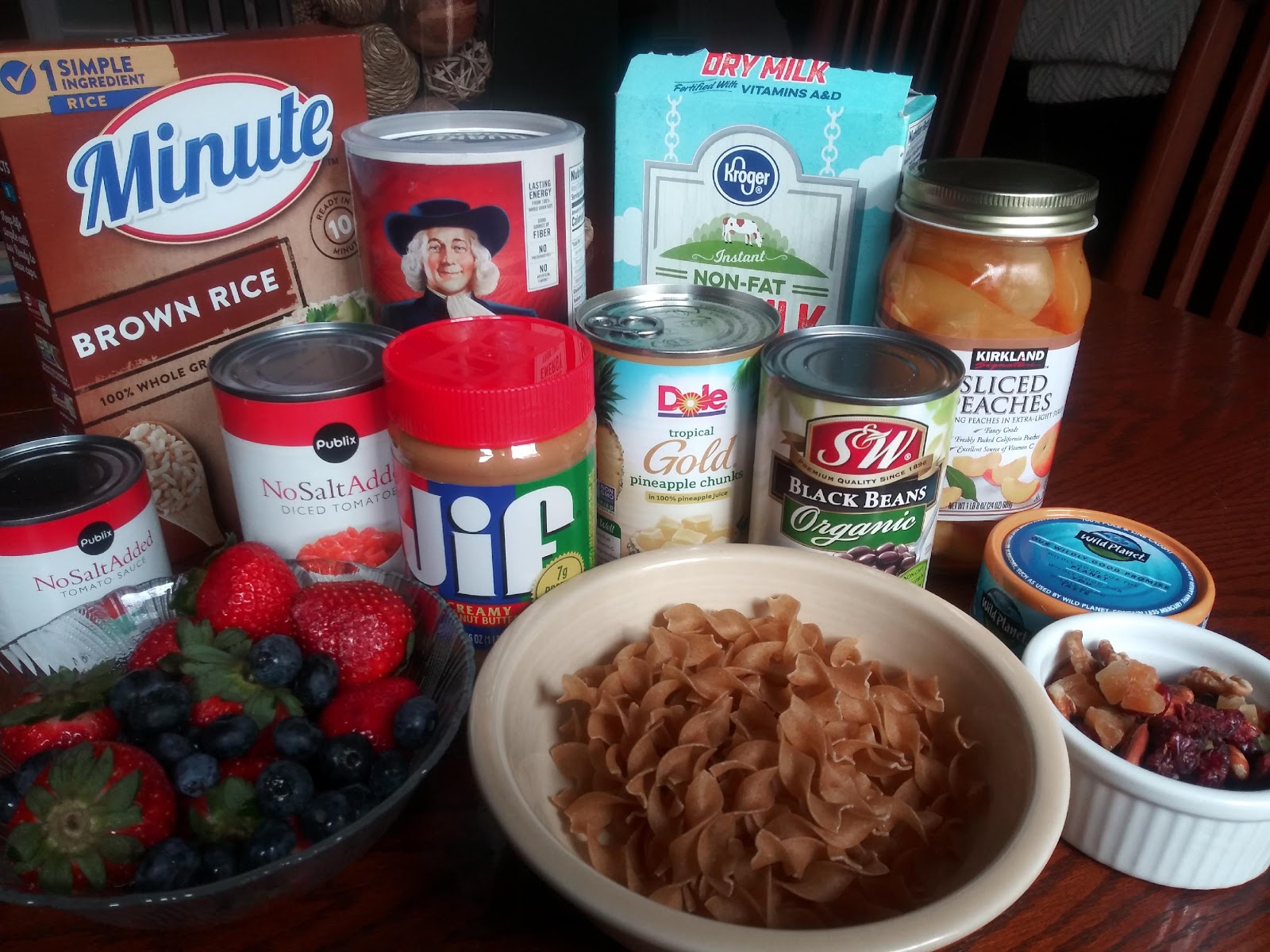
Choose foods with a longer shelf life
- Frozen fruits and vegetables
- Canned fruits packed in water
- Canned vegetables and beans with no added salt
- Freeze smaller portions of protein foods such as chicken, fish, lean beef, and pork.
- Canned tuna, chicken, salmon
- Nuts, seeds, and nut butters
- Powdered milk
- Dried beans, brown rice, quinoa, bulgur, pasta
- Powdered broth (beef, chicken, vegetable)
- Cooked cereal (oatmeal, cream of wheat, grits)
- Eggs can be kept in the refrigerator for 3-5 weeks.
Focus on eating more fruits and vegetables each day
Choose foods high in vitamin C daily such as citrus fruits, berries, melon, tomatoes, peppers, strawberries, and broccoli. Include foods high in vitamin A such as sweet potatoes, carrots, broccoli, spinach, mango, red bell peppers, and apricots. Aim for about 2 cups of fruit and 3 cups of vegetables per day for adults and 1-2 cups of fruit and 1-3 cups of vegetables per day for children.
Choose healthy fats
Vitamin E works as an antioxidant and is found in vegetable oils and nuts. Monounsaturated fats such as olive, safflower, sunflower, peanut, canola, and avocado oils are excellent sources along with fatty fish. Add walnuts, almonds, chia seeds, flaxseed, and hemp seeds to salads, cereal, and to vegetables.
Make half of your grains whole grains
Whole grains support immune health because they contain important nutrients such as iron, B vitamins, and dietary fiber. Examples of whole grains include whole wheat flour, brown rice, oatmeal, bulgur, quinoa, wheat berries, whole grain pasta, and whole cornmeal.
Choose a variety of proteins
Proteins are key players in immune function because they promote healing and recovery. Choose from chicken, turkey, lean beef, and fish. Fatty fish such as salmon, tuna, and mackerel contain heart-healthy omega 3 fatty acids and should be eaten twice a week. Also, choose more meatless proteins such as beans, lentils, peas, tofu, and tempeh. Low fat dairy foods are important sources of calcium and protein. Include 2-3 daily servings of 1% or skim milk, low fat yogurt, and cheese. Foods high in vitamin D such as fatty fish, eggs, and milk should be emphasized. Zinc is another key nutrient for the immune system; foods high in the zinc include beef, seafood, wheat germ, beans, nuts, and tofu.
Include Probiotics more often
Probiotics contain healthy bacteria to support the immune system. Good examples include yogurt, buttermilk, kimchi, sauerkraut, kerfir, tempeh, pickles, and cheeses such as gouda, mozzarella, cheddar, and cottage cheese.
For more information on healthy eating and nutrition advice contact The Academy of Nutrition and Dietetics .