Seasonal Superfoods
Butternut Squash
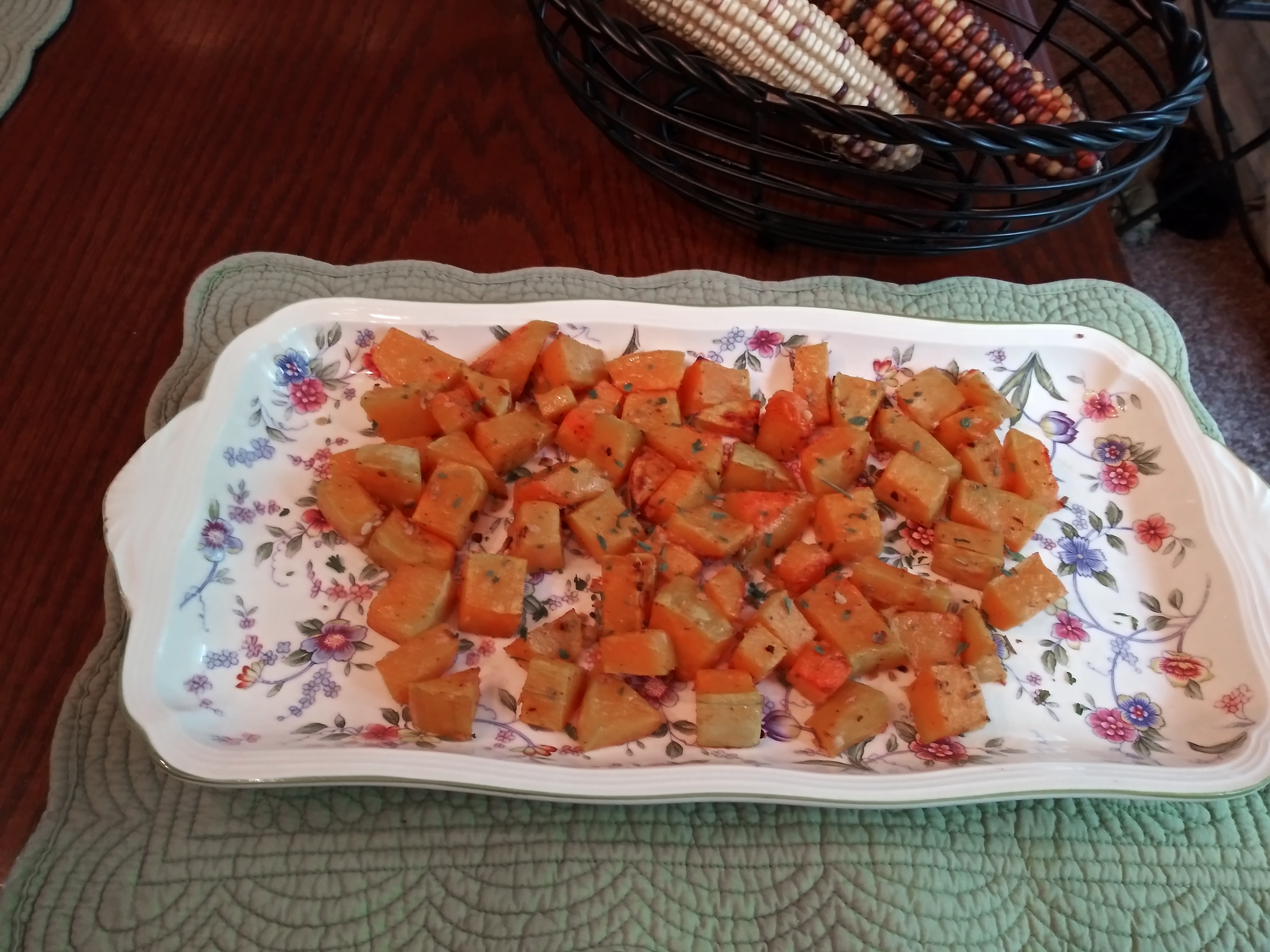
Fall is just about here and it’s time to think fresh in-season fruits and vegetables! For instance, Butternut Squash is considered a Seasonal Superfood. It is high in nutrition and fiber but low in calories. It is loaded with powerful nutrients which boost a healthy immune system. Today, during the Covid-19 Pandemic a healthy immunity is critical in preventing and reducing the effects of this mysterious virus.
As a native southerner I didn’t grow up eating butternut squash very often. I’ll be honest, even as an adult I didn’t want to take the time to prepare it. After trying it in a recipe I was hooked and couldn’t wait to find more delicious way to enjoy it. With a slightly sweet and nutty taste, it can be prepared in a variety of ways. Let me share all the reasons you should include this savory squash on your grocery list this fall.
High in Nutrition and Low in Calories
Butternut squash is an excellent source of vitamins A, C, and E – all potent antioxidants which provide protection to cells. Just one cup offers more than 450% of the Recommended Daily Intake (RDI) of vitamin A, 50% of the RDI for Vitamin C, and 13% of the RDI of Vitamin E. These crucial nutrients support a healthy immune system, promote eye and heart health while assisting with wound healing and tissue repair. This squash is also high in potassium, magnesium, and B vitamins; significant contributors in regulating a healthy metabolism and maintaining normal blood pressure.
Nutritional Value in 1 cup of butternut squash
- Calories : 82
- Carbohydrates : 22 gm
- Protein : 2 gm
- Fiber : 7 gm
- Vitamin A : 457% RDI
- Vitamin C : 52% RDI
- Vitamin E : 13% RDI
- Thiamin (B1) : 10% RDI
- Niacin (B3) : 10% RDI
- Pyridoxine (B6) : 10% RDI
- Folate (B9) : 10% RDI
- Manganese : 18% RDI
- Potassium : 17% RDI
- Magnesium : 15% RDI
Health Benefits
Eating butternut squash can reduce the risk of chronic diseases due to cell damage and inflammation. Studies show that eating foods high in antioxidants such as butternut squash can reduce risks of some cancers, lower the risk of heart disease, and even lessen mental decline associated with aging. Diets high in fruits and vegetables can also help with weight management. Although butternut squash is considered a starchy vegetable, it can easily fit into anyone’s meal plan. One cup only has 83 calories with 7 gm of fiber. Foods high in fiber are filling, making it much easier to control portions and ultimately your weight.
Is it a Vegetable?
Although most think of butternut squash as a vegetable, it is technically a fruit because it has seeds and comes from the flowering part of a plant. Butternut squash is a winter squash with a tan-yellow skin and orange pulp. It can be purchased all year but peak season is fall and winter.
Selection
Look for a butternut squash with a dark beigh color free of blemishes, cuts, and green patches. It should feel heavy for it’s size and sound hollow when tapped.
Preparation
Just follow these easy steps before cooking:
- If you prefer to soften the skin first, poke a few holes in the skin with a fork and microwave whole squash for 1-2 minutes.
- Make sure you have a stable surface such as a strong cutting board, a large, sharp knife, and a good quality peeler such as a Y peeler.
- Cut 1 inch off the bottom and top ends of the squash so that it can stand vertically on the cutting board.
- Holding the squash with one hand, peel the squash from top to bottom with the other hand.
- Cut the squash in half vertically and remove the seeds and fibers with a spoon.
- Cut into slices or cubes and proceed with your favorite recipe.
Culinary Uses
Butternut Squash is so versatile and can be used in side dishes, soups, entrees, and desserts.
- To roast halves: Cut off the top and bottom of squash, then cut in half vertically; scoop out seeds and brush with oil; place face down on baking sheet and bake for 1 hour at 400°.
- To roast cubes or fries: Peel and cut into cubes or desired shape, toss with olive oil, and seasonings (garlic, rosemary, thyme, sage). Spread on a baking sheet and bake for 30 minutes at 400°.
- Slow cooker: Place a whole squash in a slow cooker; cook on high for 3-4 hours or on low for 6-8 hours.
- Sautee cubed squash in butter for 10-15 minutes or until golden brown.
- Mash cooked butternut squash; add milk and your favorite seasonings.
- Puree cooked squash for soup or add to baked goods such as pies and muffins.
- Add cooked and cubed squash to pasta dishes, casseroles, stews, quiches, chili and soup.
- Top off your favorite salad with cubed and cooked squash.
- Be adventuresome and serve with eggs and sausage for breakfast
Storage
- Store whole squash in a cool dark place for 1-3 months.
- Uncooked or cooked diced squash can be stored in sealed containers and refrigerated for up to 3 days.
- Uncooked or cooked diced squash can be placed on a cookie sheet lined with parchment paper and placed in the freezer for 3-4 hours then transferred to freeze safe containers. It can be kept in the freezer for up to 3 months.
As you can see, Butternut Squash is a Seasonal Superfood and not only will you gain all the health benefits from this powerful fruit but you can enjoy it in so many different ways. Check out one of my favorite recipes, Roasted Butternut Squash featured as our “Recipe of the Month”.
Recipes
Data was obtained from: USDA Agricultural Research Service and Specialty Produce